
VSED Support from a Death Doula
VSED means voluntarily stopping eating and drinking. A person who can make their own decisions chooses to stop eating and drinking so that death comes sooner. A death doula gives non-medical support to that person and their family. I'm Christy Braun. I've supported clients through VSED, in person and by tele-doula.
Book a Guided Care Planning Call
If you landed here, you're thinking about this for yourself, or you love someone who is. I won't talk you into it or out of it. I'll tell you what it looks like.
What Is VSED, and Is It Right for You?
You stop eating, and you stop drinking, which is the part that matters most. Your body does the rest over a stretch of days. Nobody gives you anything to make it happen.
People who choose VSED usually have a serious illness and face months or years of decline they don't want. For some it's pain that palliative care hasn't fixed. For others it's watching a disease take the parts of them they care about most.
Those reasons are real. So first, we talk about the why. If your doctors haven't tried everything for your pain or your mood, I'll ask about that, so you're choosing with every option on the table.
I'm also going to be a little nosy. If the biggest reason is that you don't want to be a burden, tell me. That's worth a deeper conversation.
You need to be able to make your own decisions when you start. That means you understand your illness, what VSED will be like, and your other options, and your choice holds steady over time. That's for your doctor to confirm, not me.
Is VSED Legal in California?
I'm not a lawyer, and this isn't legal advice. You're probably hoping for a yes or no. Here's what I can tell you, and what I can't.
California's courts have said that an adult who can make their own decisions has the right to refuse medical treatment, including a feeding tube, even when refusing it will lead to death. One of those courts also said that a patient's choice to let nature take its course that way isn't the same as suicide.
Here's the gap. Those cases were about feeding tubes. The legal research behind this page didn't find a California law that names VSED, or a California appeals court decision about it. The doctors who wrote the published clinical guidelines describe VSED as legal. So that's where VSED California law stands today: settled for feeding tubes, unsettled for food and water by mouth.
If you have legal questions, especially if someone in your family objects, talk with an estate planning or elder law attorney before you start.
How VSED and MAiD Differ
People often ask about VSED and medical aid in dying in the same breath. They're not the same thing.
| VSED in California | MAiD in California | |
|---|---|---|
| What it is | You stop eating and drinking. | A doctor prescribes a medication you may choose to take yourself. |
| Who can do it | Usually a person with a serious illness who can make their own decisions. The clinical guidelines don't limit it to a terminal diagnosis, but they urge extra care when life expectancy is longer. | An adult California resident who can make their own decisions and take the drug themselves, with a terminal illness expected to cause death within six months. |
| Paperwork | No request process, though your doctor and hospice should be part of the plan. | Two oral requests at least 48 hours apart, a witnessed written request, and a second doctor's review. |
| How long it takes | Usually one to three weeks from the day you stop. | The medication is meant to bring death once you take it, though your doctor will tell you it may not be immediate. |
| Changing your mind | You can stop at any point while you're still able to decide. | You can withdraw at any time, or decide not to take the medication. |
If you want the full picture of MAiD, I walk through it on my MAiD support page. The short version is that going through a hospice for MAiD can take weeks, and the concierge doctors I work with can often shorten that to a few days.
What the Days of VSED Actually Look Like
Every VSED process is different, but here's how the days usually go, according to the clinical guidelines.
The first few days, you're awake and yourself. Hunger tends to peak early, and thirst builds. It's good time for visits and the talks you want to have.
The middle stretch is usually the hardest. You get weaker and sleep more. Some people get confused or agitated, and hospice has medications for that.
At the end, you slip into unconsciousness, much like any death at the end of an illness. That last phase often lasts a day or two. Hearing can stay after someone stops responding, so we keep talking to you.
The VSED timeline
Most people die 7 to 21 days after they stop, most often around 10 to 14 days. How strictly you avoid fluids matters a lot. Even a few ice chips can stretch it out.
I don't give families a concrete timeline. Bodies keep their own schedule.
Dry mouth is the big one
Dry mouth bothers people most. The fix is mouth care, and lots of it: a humidifier, mouth swabs, a small spray bottle, lip balm. If you have hospice, the nurse will show your family how to keep your mouth comfortable without swallowing water.
What if you change your mind?
You can. If you can still make your own decisions and you ask for water, VSED simply pauses. You can start again later if you want to.
Later, people sometimes ask for water while confused. So we plan ahead. You pick one trusted person to answer those requests, and a short sentence in your own words that reminds you why you chose this. You, your doctors, and your family also decide ahead of time what happens if you ask once you can no longer decide.
How I Support You Through VSED
VSED usually takes care around the clock for one to three weeks. That's too much for one person, including one doula. As a death doula (some people say end-of-life doula), my job is to make sure you have the right people and a plan they all understand, with somebody steady in the middle of it. That somebody is me.
Before you start
We talk through why, and when. Picking a start date is harder than people expect, so we work it out together, with your doctor.
I help you tell your family. Some of them will want to fix it, and some will want to feed you. We reach for food because it gives us something to do. So we give them something else to do: a shift on the schedule, a playlist to build, a story to tell you.
If someone you love disagrees, here's what I'd say to them. You're allowed to disagree and have big feelings about it. It's still their choice.
Then we build the team: your doctor, a hospice that will support you, family and friends on a written schedule, and paid caregivers if needed. We plan the vigil and any legacy work you want, and get supplies in before day one. For legal questions, I'll point you to an attorney.
While it's happening
I visit, and I'm on the phone and video in between. I check in with your family often, because caregivers forget to take care of themselves. When I worked with one family through their dad's last nine days, I texted them two or three times a day. Whose turn is it for a walk around the block? Are you hydrating? Who showered today?
I help your family keep up the comfort care the hospice nurse teaches them, like mouth care, and I help them understand what they're seeing. When feelings boil over, I'm present for the family meeting. Near the end, I'm with you and your people at the vigil when I can be, and on the phone when I can't. If you'd like Reiki or energy clearing, I offer that too.
What I don't do
I don't give medications or make decisions about symptoms, treatment, or whether you can make your own decisions. Your medical team handles that. I don't encourage you toward VSED or away from it. I'll ask hard questions, but the choice belongs to you.
An honest word about my bedside time
I can't be at your bedside 24 hours a day for two weeks, and nobody should promise you that. I keep my caseload small, and I'd rather say so now. What I do is build and run the team, visit in person as often as is practical, stay reachable by phone and video, and bring in a backup doula when you need more hands. There are no living experts on death, me included. But I've done this before, and I stay steady.
VSED and Hospice
Hospice can make VSED far more comfortable, with a nurse on call and comfort medications. The clinical guidelines call it extremely helpful.
The catch is timing. For Medicare hospice, a doctor has to certify a life expectancy of six months or less if your illness runs its normal course. If you'd likely live longer while still eating and drinking, most hospices won't take you before you start, though many will once you've begun. Some, including some faith-based hospices, don't support VSED at all.
Finding VSED hospice support can take a few calls, so I start early by asking:
- Will you enroll someone who plans to stop eating and drinking, and when?
- Have your nurses cared for a VSED patient before?
- Who answers the phone at 2 a.m.?
I'll help you find the right one. This is a heavy lift for a family, and my experience and connections help smooth out the process and get care in place as soon as possible.
VSED, Dementia, and Advance Directives
VSED starts with a person who can make their own decisions on the day they begin. Some people with an early dementia diagnosis consider VSED while they still can. If that's you, talk with your doctor sooner rather than later, whatever you decide.
Writing down today that you want food and water stopped later, once you can't decide, is a different thing, and the law is less clear. California's advance directive law clearly lets you refuse feeding tubes and IV fluids. It doesn't say whether that reaches food and drink offered by hand, and the research behind this page didn't find a California court decision on it. If this matters to you, talk with an elder law attorney now, while you can still sign documents.
After the Death
If you're on hospice, there's no rush when death comes. Call the hospice first. If you're not, we'll plan with your doctor ahead of time. I'll be there or on the phone with your family. The clinical guidelines recommend the doctor list it as a natural death, with dehydration as the immediate cause and your illness as a contributing cause. The doctor who signs makes that call.
Grief after a planned death can feel different. I stay in touch with your family afterward, and I'll point them toward bereavement support too.
Start with a Conversation
You don't have to decide anything today. If you're early in this, just talk it through with me: the conversations to have and the people to line up before day one.
Book a Guided Care Planning Call
Frequently Asked Questions About VSED
Is VSED painful?
The most common trouble is thirst and dry mouth, and careful mouth care helps a lot. Some people do have pain, and it can be treated by the medical team. Confusion or agitation can come later, and there are medications for that too. The research suggests VSED doesn't bring a unique set of symptoms compared with other deaths from serious illness.
Can you change your mind once VSED starts?
Yes. If you can still make your own decisions, asking for water or food simply pauses VSED, and you can start again later. Because confusion can come later on, we plan ahead for that moment so you have a clear path to stop VSED or continue on your own terms.
Do you need a doctor or hospice to do VSED?
VSED doesn't need a prescription or a doctor's order. But the clinical guidelines expect a doctor to confirm you can make this decision, and they recommend hospice when you can get it. Call a hospice early. If you'd likely live more than six months while still eating and drinking, most won't enroll you until you've stopped eating and drinking and show signs of decline.
How long does VSED take?
Most people die within 7 to 21 days of stopping, most often around 10 to 14 days. Your illness, your overall health, and how strictly you avoid fluids all change the timing. Even small amounts of water or ice chips can stretch it out. I don't give families an exact time, because nobody can promise one.
Is VSED considered suicide?
California law doesn't answer that by name. California courts have said that refusing a feeding tube, even when death follows, isn't suicide, but those cases weren't about food and water by mouth. Many people in end-of-life care consider VSED by a terminally ill person ethically different from suicide. Some ethicists disagree.
Is VSED legal in California?
California's courts have upheld the right of an adult who can make their own decisions to refuse medical treatment, including feeding tubes. Those cases weren't about food and water by mouth, and the research for this page found no California law that names VSED. Published clinical guidelines describe VSED as legal across the United States. This isn't legal advice, so talk with an attorney if you have questions.
Can you support us if we live outside of the Sacramento area?
In Placer, El Dorado, and Sacramento Counties, and anywhere within about 100 miles of Sacramento, I can come in person. Beyond that, I work as a tele-doula by phone and video, or we work out special travel arrangements case by case. With VSED, the hands-on care happens locally, so I'll help you build that team and coordinate it from wherever I am.
How much does death doula support for VSED cost?
The first call costs nothing, and it's how we find out if I'm the right fit. Your support is custom built for you and offered at a package price. I don't bill insurance or Medicare.
Ready to Talk with a VSED Doula?
Maybe you've decided. Maybe you're just starting to wonder. Either way, you and your family don't have to figure this out alone.
Book a Guided Care Planning Call
You can also see all of my death doula services across Northern California.
Legal and Clinical Sources
- Clinical Guidelines for Voluntarily Stopping Eating and Drinking (VSED), Journal of Pain and Symptom Management, 2023.
- Voluntary Stopping of Eating and Drinking in the Terminally Ill, Fast Fact #379, Palliative Care Network of Wisconsin, 2024.
- Overview of Voluntarily Stopping Eating and Drinking to Hasten Death, Annals of Palliative Medicine, 2021.
- Thor v. Superior Court (1993) 5 Cal.4th 725, California Supreme Court.
- Bouvia v. Superior Court (1986) 179 Cal.App.3d 1127, California Court of Appeal.
- California Probate Code, Health Care Decisions Law, definitions
- California Probate Code, Health Care Decisions Law, general provisions
- California Probate Code, advance health care directives
- California Health and Safety Code, sections 443 to 443.22, the End of Life Option Act
- 42 CFR 418.22, certification of terminal illness for Medicare hospice
About Christy
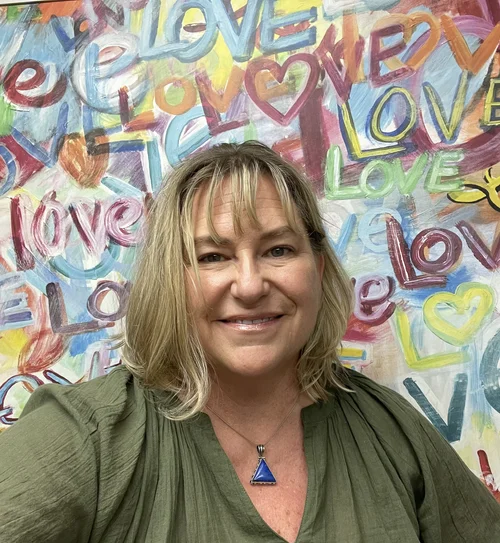
Christy Braun is a death doula and educator in Placer County, California, and the host of the podcast Dying to Ask with Christy B. She holds an M.S. in Instructional Design from Golden Gate University. She is a Certified End-of-Life Doula and a Certified Advanced Care Consultant. She is also a Reiki Master and a Member Trainer with the National End-of-Life Doula Alliance (NEDA). She completed MAiD bedside training through the American Clinicians Academy on Medical Aid in Dying. She has been in the room through active dying, has witnessed medical aid in dying, and has supported clients through VSED.
Legal and clinical information current as of November 2, 2026. Last updated November 7, 2026.
This page is general information, not medical or legal advice. Talk with your own doctors about your care, and with an attorney about legal questions.